
The House Always Wins? How Smart Players Beat the Odds in iGaming
Ask any seasoned casino veteran and they'll tell you the same thing: the house edge is real, but it's not a death sentence. The difference between a player who logs in, hits spin, and wonders where their balance went, and one who grinds out small edges over months, comes down to understanding the mechanics behind the games. That's what separates entertainment from strategy. Whether you're spinning slots, grinding poker tables, or working a sports betting model, the math is your friend — if you bother to learn it.
Let's pull back the curtain on the iGaming world and look at what's actually happening when you place a bet, plus how sharp players tilt the odds back in their favor.
Understanding the House Edge (And Why It's Not the Enemy)
Every game in a casino — physical or digital — is built around a mathematical advantage for the operator. That's not a conspiracy; it's the business model. But knowing the size of that edge tells you which games give you the best shot.
Here's a quick comparison of typical house edges:
- Blackjack (basic strategy): 0.5% – 1% — one of the best bets in the building
- Baccarat (banker bet): 1.06% — boring to some, ruthlessly efficient to others
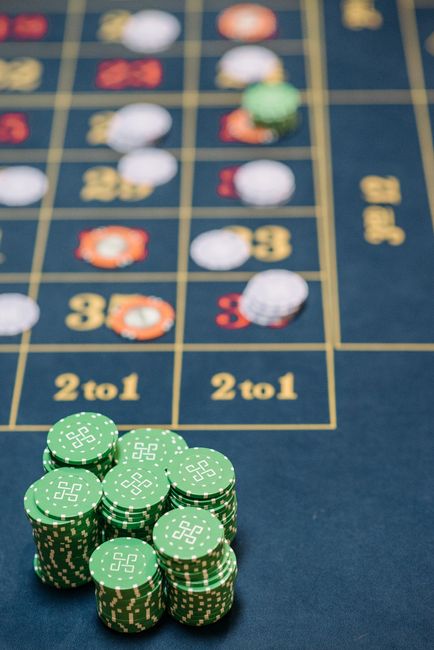
- European roulette: 2.7% (American roulette jumps to 5.26% because of the double zero)
- Slots: 2% – 15%, depending on the machine and jurisdiction
- Keno and big-jackpot progressives: often 20%+ — fun, but brutal
The takeaway isn't 'never play slots.' It's that your expected losses per hour change dramatically based on what you choose. A player betting $5 a spin on a 96% RTP slot loses roughly $0.20 per spin on average. On a 92% RTP machine, that same spin loses $0.40. Over 500 spins, that's a $100 difference. Same game, wildly different outcomes.
Slots: Volatility Matters More Than RTP
Most players obsess over Return to Player percentages and ignore volatility. That's a mistake. RTP tells you what happens over millions of spins. Volatility tells you what happens over your session.
Low-volatility slots pay small amounts frequently. High-volatility slots mostly eat your balance but occasionally explode for 5,000x your stake. If you're playing with a $50 bankroll, chasing a high-volatility jackpot with $1 spins is a recipe for a 20-minute session. Choose your volatility based on your bankroll and how long you want to play. Many readers start with slot dana when comparing options.
A few practical tips for slot players:
- Check the RTP listed in the game's info panel — anything below 94% is usually a pass.
- Understand bonus buy features before you use them. Buying a bonus for 100x your stake doesn't guarantee a return.
- Max bet does not increase RTP on most modern slots — that's an old myth. It only affects jackpot eligibility.
- Autoplay is a bankroll killer. Set session limits before you hit spin the first time.
Poker: The Only Game Where You Play Against People
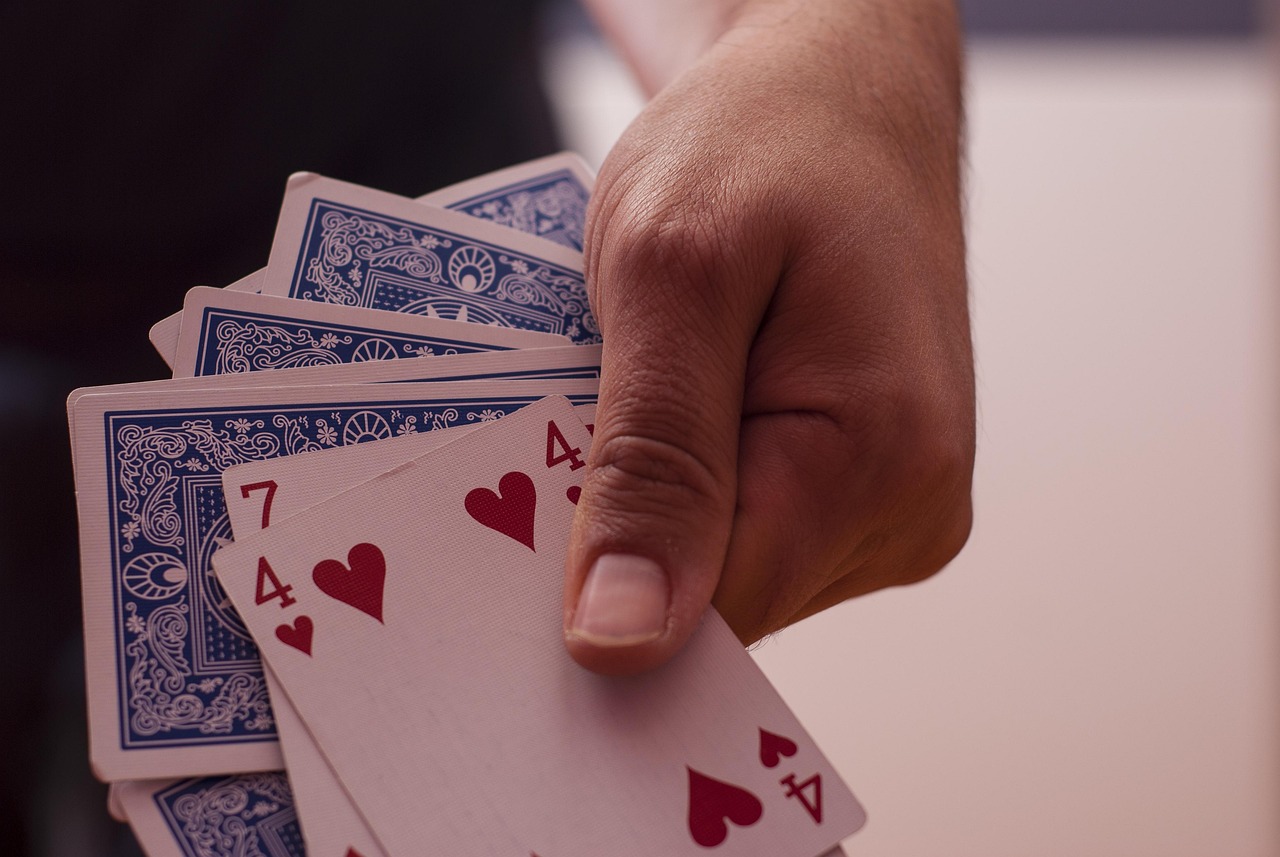
Here's the thing about poker that no slot will ever match: your edge comes from other players' mistakes, not from a machine's payout table. That's why poker is the one iGaming vertical where a disciplined, studied player can genuinely profit long-term.
But most casual players don't. They chase draws, overvalue top pair, and play too many hands from early position. The fix is less about fancy bluffs and more about fundamentals:
- Tighten your starting hand range. In a nine-handed cash game, folding 80% of hands preflop from early position is not conservative — it's correct.
- Bet sizing should tell a story. If your bets don't represent a coherent range of hands, observant opponents will exploit you.
- Position beats cards. The button wins more money than any starting hand in poker history.
- Bankroll management is a skill. Never sit at a table with more than 5% of your total poker bankroll in a cash game, or 2% in tournaments.
Online poker also rewards volume and HUD data in ways live poker never can. Track your results, review hands, and fix leaks. Players who don't do this are donating to those who do.
Sports Betting: Shop Lines and Kill the Parlay Habit
If you're betting on football, basketball, or MMA, the single biggest mistake is betting with your heart. Loyalty to a team is expensive. The second biggest mistake is parlays.
Parlays feel great because the payouts are huge, but they multiply the bookmaker's edge exponentially. A two-leg parlay at -110 odds carries roughly a 4.5% hold compared to 4.5% on a single bet? No — the hold compounds. Three legs, and you're looking at a theoretical hold approaching 12%. That's why sportsbooks love promoting them.
For anyone serious about betting:
- Line shop across at least three sportsbooks. A half-point difference on an NFL spread is worth real money over a season.
- Track every bet in a spreadsheet — date, sport, odds, stake, result, and reasoning.
- Focus on fewer markets with more research instead of spraying 20 bets a week.
- Bonus offers are not free money if you can't clear the rollover requirements. Read the terms.
Responsible Play Isn't a Buzzword — It's Strategy
Here's the uncomfortable truth the industry doesn't always shout about: no edge, no strategy, and no hot streak matters if you can't walk away. The players who survive in iGaming long-term treat it like a hobby with a budget, not a slot machine that pays rent.
Set a monthly entertainment budget that looks like your Netflix and gym spending — money you'd be fine losing. Use deposit limits. Take breaks. If you're chasing losses at 2 a.m., the math has already beaten you.
The people who actually enjoy iGaming are the ones who understand that the house edge is a cost of entertainment, not an obstacle to be defeated. Optionality exists, edges exist, and disciplined players can find them in poker and smart betting. But pretending every spin is a coin flip is how bankrolls disappear.
The Bottom Line
iGaming isn't rigged against you in a shady sense — it's just designed with math that favors the operator over the long run. That doesn't mean you can't win. It means winning requires choosing the right games, sizing your bets intelligently, and treating your bankroll like a business expense rather than a lottery ticket. Slots are entertainment, poker is a skill game, and sports betting is a probability puzzle. Know which one you're playing before you click. That single shift in mindset is worth more than any tip sheet or system you'll ever buy.