
Betting Smart: A Real Talk Guide to iGaming, Slots & Poker
You've seen the flashy ads. You've heard the stories of someone turning a $50 deposit into five figures on a single slot spin. But let's cut through the noise for a second. iGaming—whether it's sports betting, spinning reels, or grinding it out at the poker table—isn't a get-rich-quick scheme. It's entertainment. And like any form of entertainment, the more you understand the rules of the game, the better your experience will be. This isn't about guaranteeing wins (nobody can do that). It's about playing smarter, avoiding the rookie traps, and actually enjoying the ride.
The iGaming Landscape: More Than Just Slots
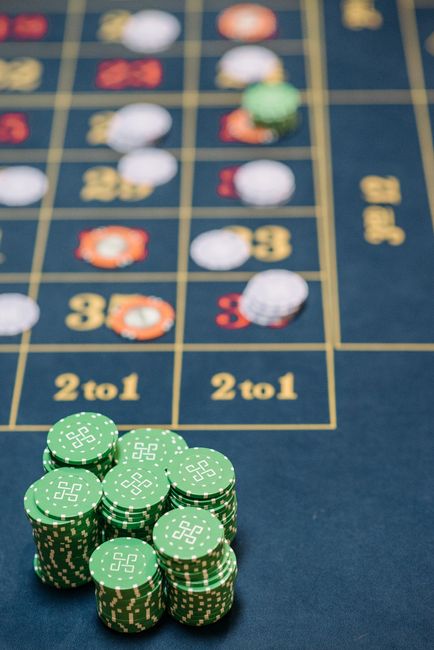
When people say "iGaming," they usually picture a slot machine. But the industry is a massive ecosystem. You've got sportsbooks that take bets on everything from the Super Bowl to the weather in London. You've got online poker rooms where strategy actually matters. And then you've got casino games—blackjack, roulette, baccarat, and yes, thousands of slot titles.
The key difference between these verticals is the role of skill. In sports betting, your knowledge of teams and stats gives you an edge. In poker, you're playing against other people, not the house. But in slots? It's pure chance, governed by a Random Number Generator (RNG). Knowing which category you're playing in changes everything about your approach. Take a look at mahjong ways 2 for a fuller picture.
Here's a quick breakdown of the main iGaming categories:
- Sports Betting: You wager on outcomes. Skill matters, but variance is high. A bad beat on a last-second field goal is part of the game.
- Poker: You play against other players. The house takes a rake. Long-term winners exist, but they treat it like a job.
- Slots: Pure luck. The house edge is built into the math. No amount of "hot streak" logic changes the odds.
- Table Games: Blackjack and video poker have elements of strategy that can lower the house edge to under 1% if you play perfectly.
Slots: Understanding Volatility and RTP
Let's talk slots, because that's where most casual players spend their time. Two terms you need to know: RTP (Return to Player) and volatility.
RTP is the percentage of all wagered money that a slot pays back to players over millions of spins. A 96% RTP means the house keeps 4% on average. But here's the catch: that's a long-term average. In a single session, you could lose everything or triple your balance. RTP doesn't predict your session.
Volatility (or variance) tells you how the slot pays. Low volatility slots pay small amounts frequently. High volatility slots pay rarely but can drop massive wins. If you have a $100 bankroll, playing a high-volatility slot with $2 spins is a recipe for a quick bust. Match your bet size to your bankroll and the slot's volatility.
A few concrete tips for slot players:
- Check the RTP before you play. It's usually listed in the game's info screen. Anything below 94% is stingy.
- Don't chase losses. The RNG has no memory. Your next spin is independent of the last 100.
- Use free play mode to test a slot's volatility before risking real money.
- Set a loss limit and stick to it. The moment you break it, you're gambling, not playing.
Poker: Where the Skill Actually Lives
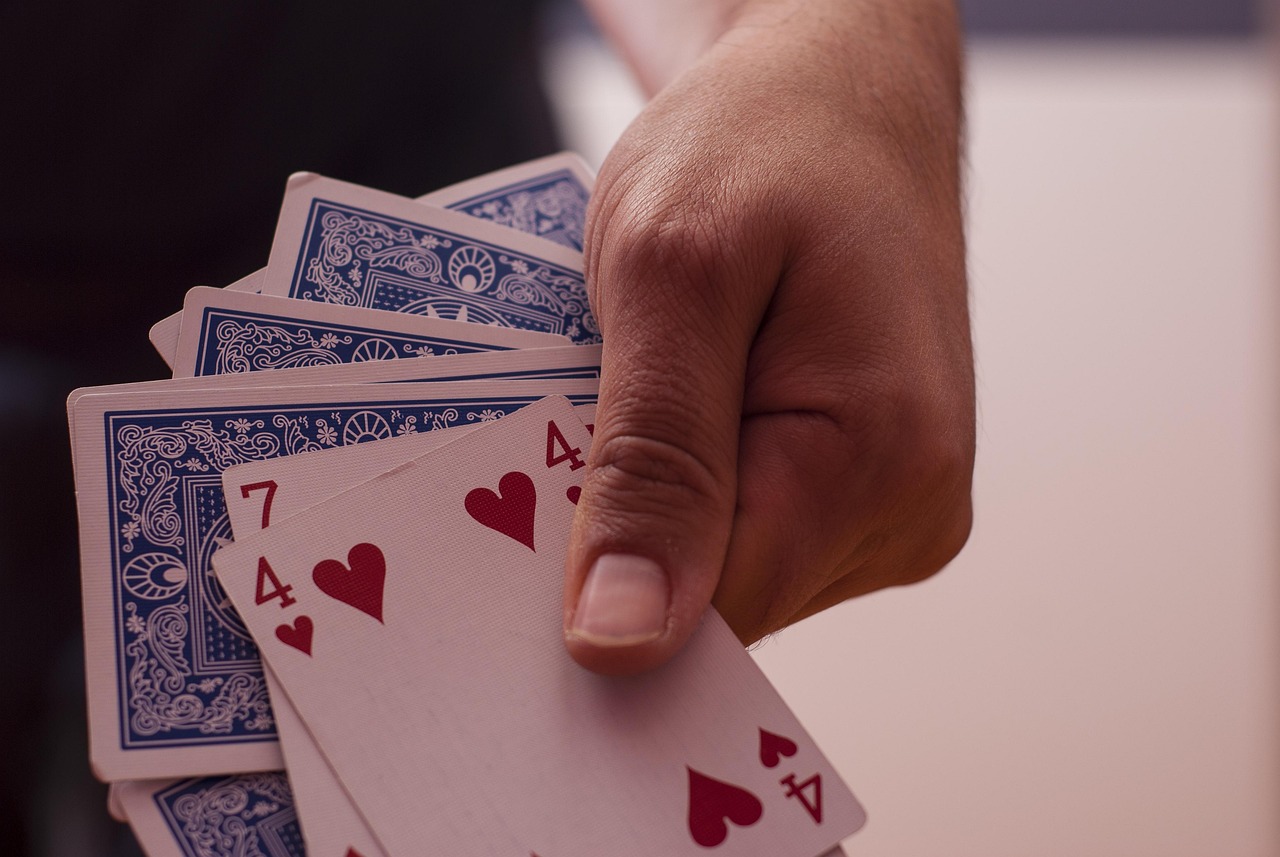
Poker is the one iGaming vertical where a knowledgeable player can consistently profit. But it's not easy. The days of drunken tourists donating money are largely gone. Online poker is filled with grinders, solvers, and bots. If you're new, start with micro-stakes and focus on fundamentals.
Position is everything. Acting last gives you more information. Play tight from early position and loosen up on the button. Don't bluff too much at low stakes—players call too often. And for the love of all things holy, don't play every hand. Folded hands cost nothing.
Bankroll management is non-negotiable. A common rule is to have at least 20 buy-ins for the stakes you play. If you're playing $0.10/$0.25 no-limit hold'em, you need at least $500 dedicated to poker. That buffer absorbs the downswings that are inevitable in a game with variance.
Sports Betting: Line Shopping and Value
Sports betting is not about picking winners. It's about finding value. A team can win and you still lose your bet if the odds didn't reflect the true probability. The goal is to bet when the odds are higher than the actual chance of the outcome.
Line shopping is the easiest edge. Different sportsbooks offer different odds on the same game. If one book has the Chiefs at -110 and another has them at -105, betting the -105 saves you money over time. It sounds small, but over 500 bets, it adds up.
Also, avoid parlay fever. Yes, a 10-leg parlay can turn $10 into $10,000. But the house edge compounds with every leg. If each leg has a 50% chance, a 10-leg parlay has a 0.098% chance of hitting. That's not a strategy; that's a lottery ticket.
Bonus Terms: The Fine Print That Bites
Welcome bonuses are everywhere. "Deposit $100, get $200 free!" Sounds great, right? Read the terms. Most bonuses come with wagering requirements. A 40x wagering requirement on a $200 bonus means you have to bet $8,000 before you can withdraw any winnings. And different games contribute differently. Slots might count 100%, but blackjack might only count 10%.
Before claiming any bonus, ask yourself:
- What's the wagering requirement?
- How long do I have to meet it? (Often 7-30 days.)
- What's the maximum bet allowed while using the bonus? (Usually $5 or less.)
- Which games contribute fully to wagering?
- Is there a maximum cashout limit?
If the terms feel like a trap, they probably are. A bonus is only valuable if you can realistically clear it without losing your own money in the process.
Final Thoughts: Play Like You're on a Budget
The house always has an edge. That's a fact. But within that framework, you can make choices that stretch your entertainment dollar and reduce the bleed. Treat iGaming like a night out—set a budget, know you're paying for the experience, and never chase losses with money you can't afford to lose. The smartest players aren't the ones who win big once; they're the ones who last long enough to enjoy the ride.